The Critical Role of a Sewage Treatment Plant (STP)
A Sewage Treatment Plant (STP) is a vital facility designed to remove contaminants from municipal and industrial sewage, producing a liquid effluent (treated water) and a solid waste (sludge) that are suitable for safe discharge into the environment or beneficial reuse.
Definition: An STP purifies wastewater, transforming harmful raw sewage (influent) into harmless, usable effluent through physical, chemical, and biological processes.
Environmental Imperative: Effective wastewater treatment prevents waterborne diseases, safeguards aquatic ecosystems, and conserves precious water resources, making it central to public health and sustainable development.
Kriti Envitech Enterprises’ Focus: As a leading provider of water treatment solutions, Kriti Envitech Enterprises specializes in the design, installation, and maintenance of customized, high-efficiency STPs for residential, commercial, and industrial clients.
2. The Comprehensive Sewage Treatment Process (Point-by-Point)
The operation of a modern Sewage Treatment Plant is typically broken down into four distinct stages: Preliminary, Primary, Secondary, and Tertiary treatment.
2.1. Preliminary Treatment
This initial, physical treatment stage prepares the raw sewage for subsequent steps by removing large, easily separated solids.
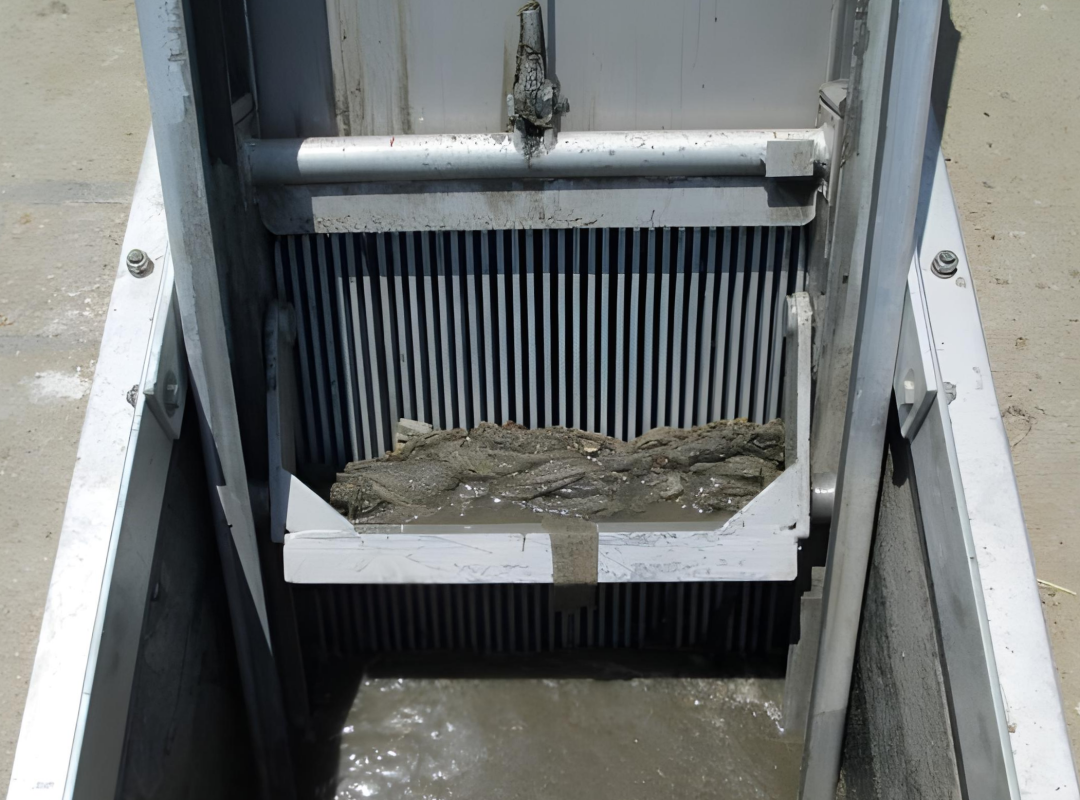
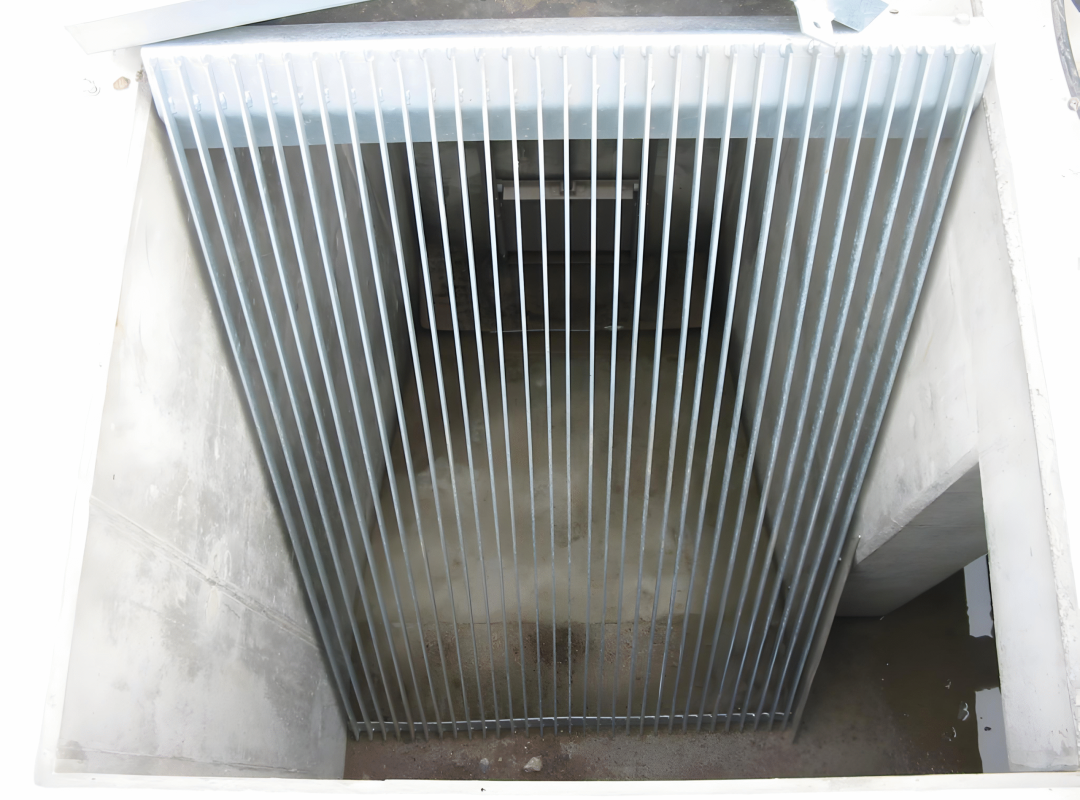
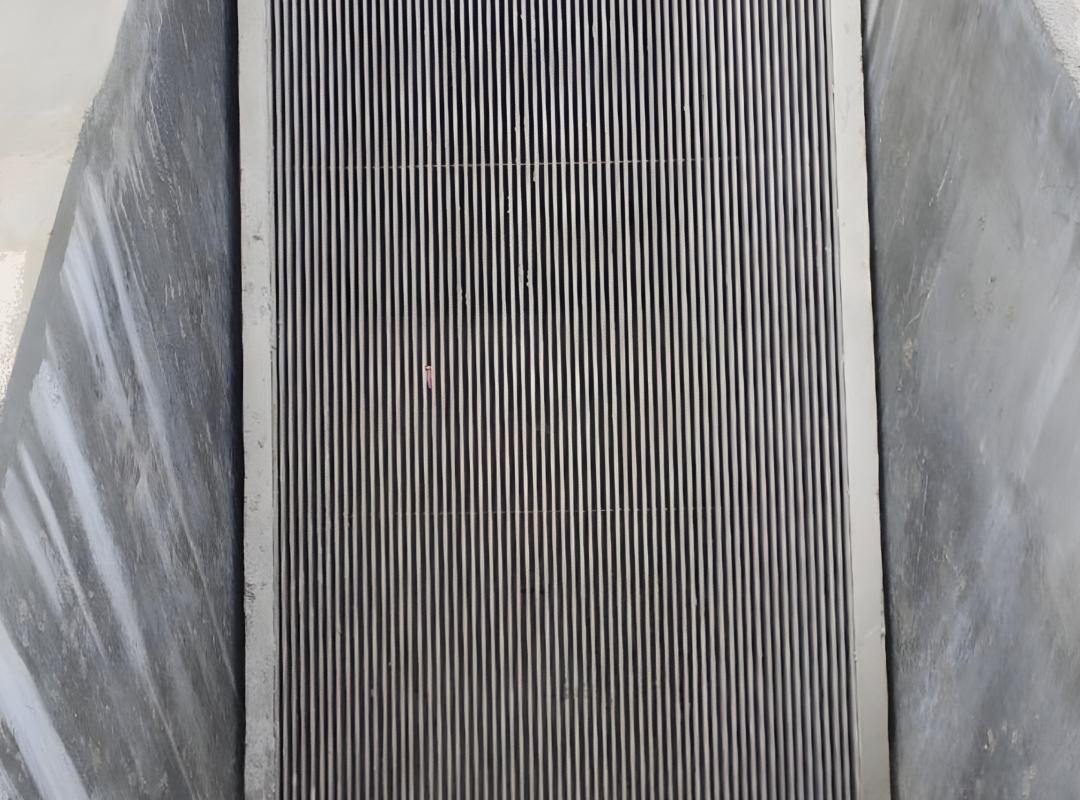
Screening: Raw sewage passes through bar screens to remove large debris like rags, plastics, wood, and stones.This prevents damage and clogging in pumps and other mechanical equipment.
Grit Removal: The water flows slowly through grit chambers, allowing heavy, abrasive materials like sand, gravel, and coffee grounds (grit) to settle to the bottom by gravity.
Mechanical Bar Screen
Manual Bar Screen
Fine Bar Screen
2.2. Primary Treatment
The goal here is to remove suspended solids, both organic and inorganic, through gravity-induced sedimentation.
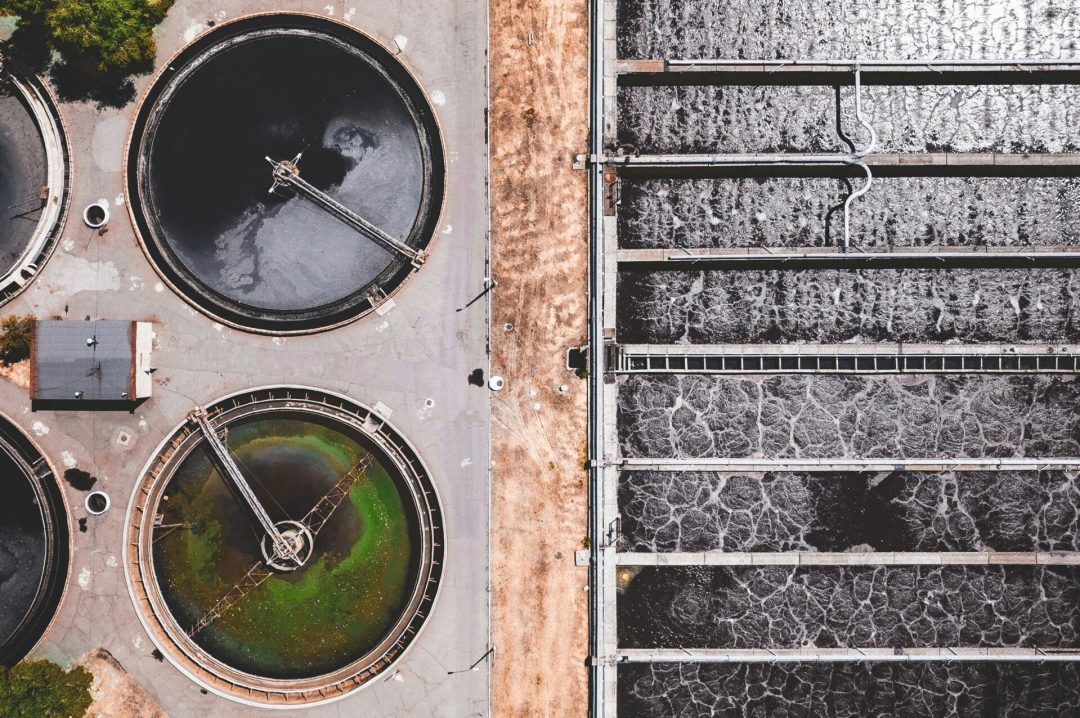
Sedimentation Tanks (Primary Clarifiers): Wastewater flows slowly through large tanks. Heavier suspended solids settle at the bottom, forming a thick primary sludge. Lighter materials, like grease and oil (scum), float to the surface.
Removal: Mechanical scrapers collect the settled sludge, and skimmers remove the scum. This stage typically removes 60-70% of suspended solids and 30-40% of the organic content (BOD – Biological Oxygen Demand).
2.3. Secondary Treatment (Biological Treatment)
This is the core of the sewage treatment process, using naturally occurring microorganisms to consume and break down the remaining dissolved and suspended organic pollutants.
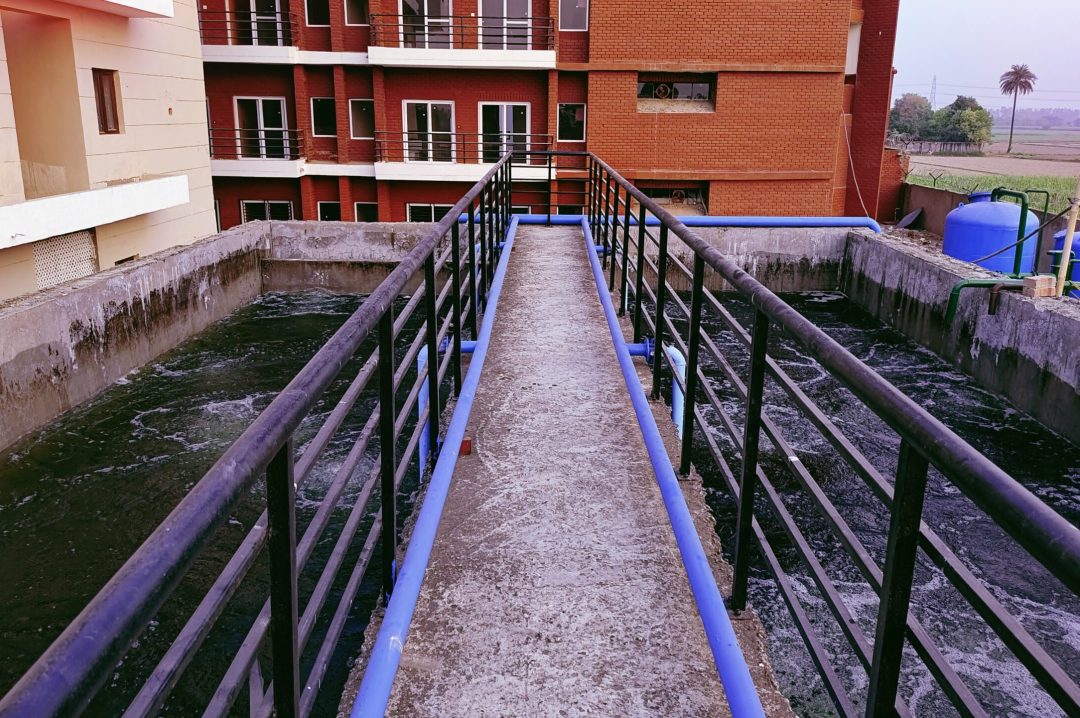
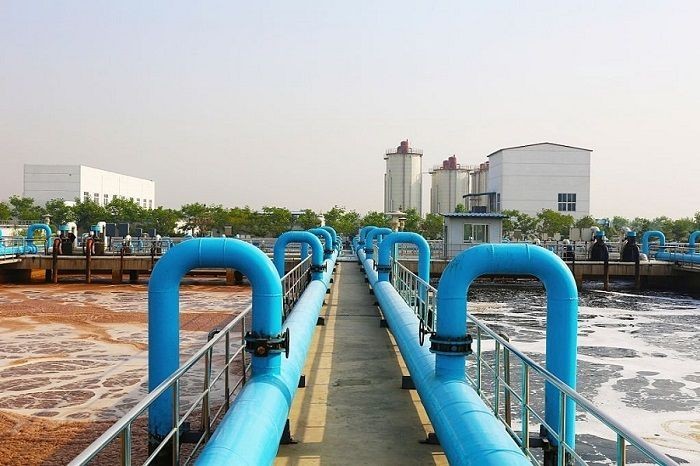
Aeration: The pre-treated wastewater is mixed with a culture of microorganisms (activated sludge) in aeration tanks. Air is constantly pumped in to supply oxygen, promoting the growth and activity of aerobic bacteria.
Biological Oxidation: These ‘good’ bacteria consume the organic matter (BOD/COD) in the sewage, converting it into harmless byproducts like carbon dioxide and water, and new bacterial cells (biomass).
Secondary Clarification: The mixture then moves to secondary clarifiers, where the heavy microbial flocs (biomass) settle out, leaving clear water at the top. A portion of this settled sludge is returned to the aeration tank (Return Activated Sludge – RAS) to maintain the bacterial population, while the excess (Waste Activated Sludge – WAS) is sent for sludge treatment.
Common Technologies (Kriti Envitech Expertise):
Activated Sludge Process (ASP)
Moving Bed Biofilm Reactor (MBBR)
Sequential Batch Reactor (SBR)
Fluidized Aerobic Bio-Reactor (FAB)
2.4. Tertiary/Advanced Treatment
This is an optional but increasingly common final polishing stage, especially when the effluent is meant for sensitive discharge points or water reuse applications.
Filtration: The effluent is passed through filters (e.g., sand, multimedia, or membrane filters) to remove fine residual suspended solids.
Disinfection: To eliminate any remaining pathogens (disease-causing bacteria and viruses), the water is disinfected, typically using Chlorination or Ultraviolet (UV) Disinfection.
Nutrient Removal: Advanced techniques like Biological Nutrient Removal (BNR) may be used to reduce nitrogen and phosphorus, preventing eutrophication (algae blooms) in receiving water bodies.
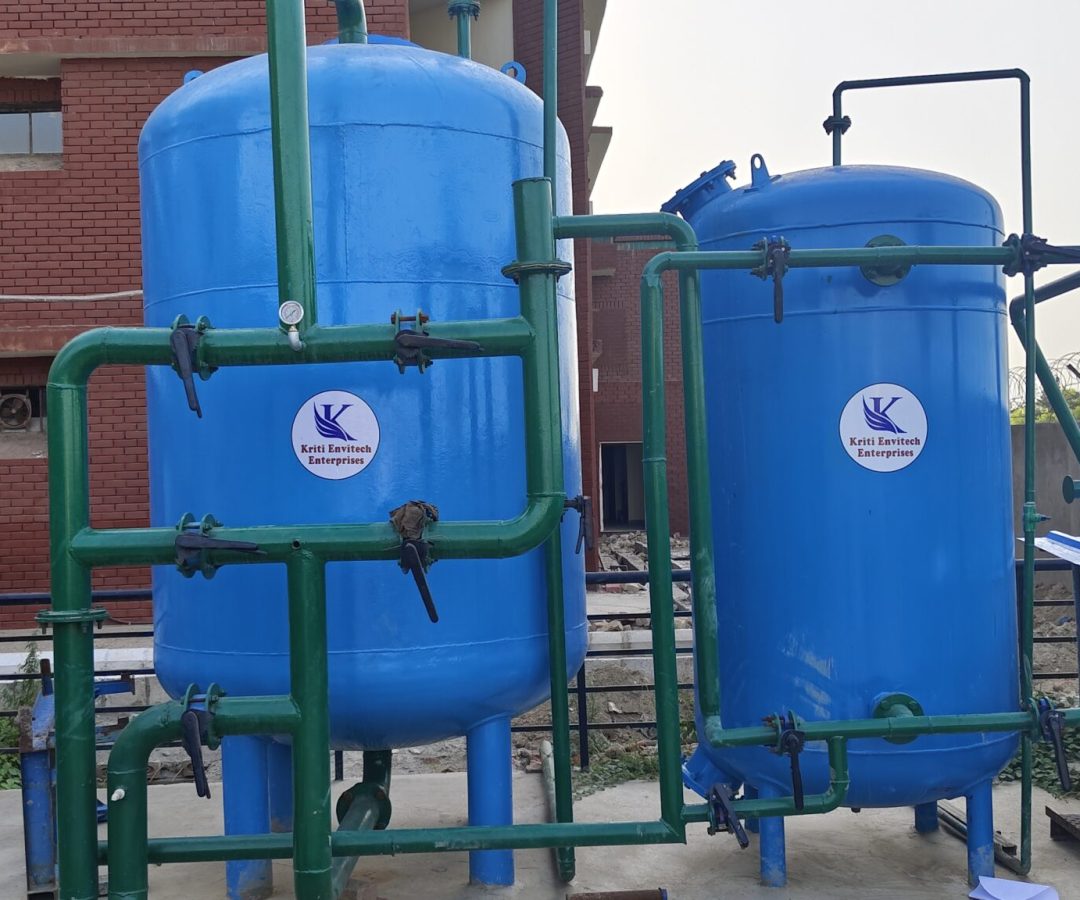
MS Filter Vessel
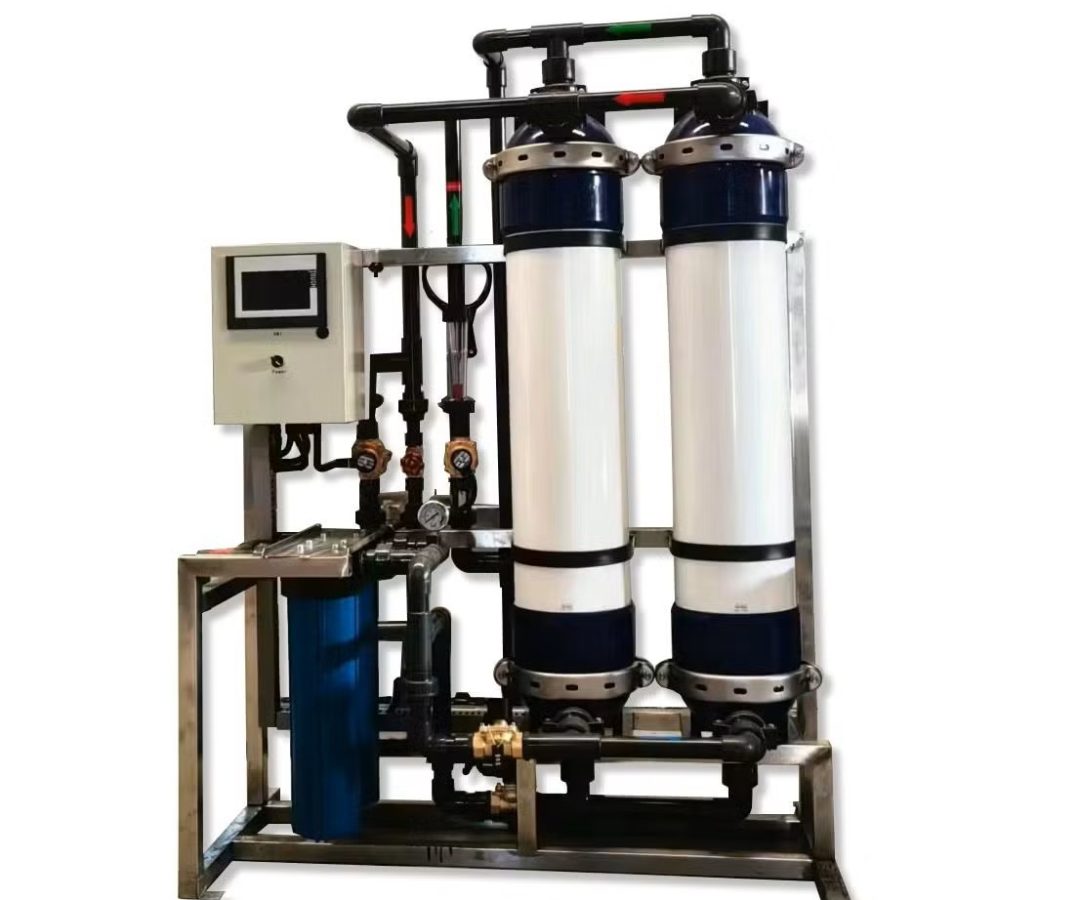
Ultra Filtration
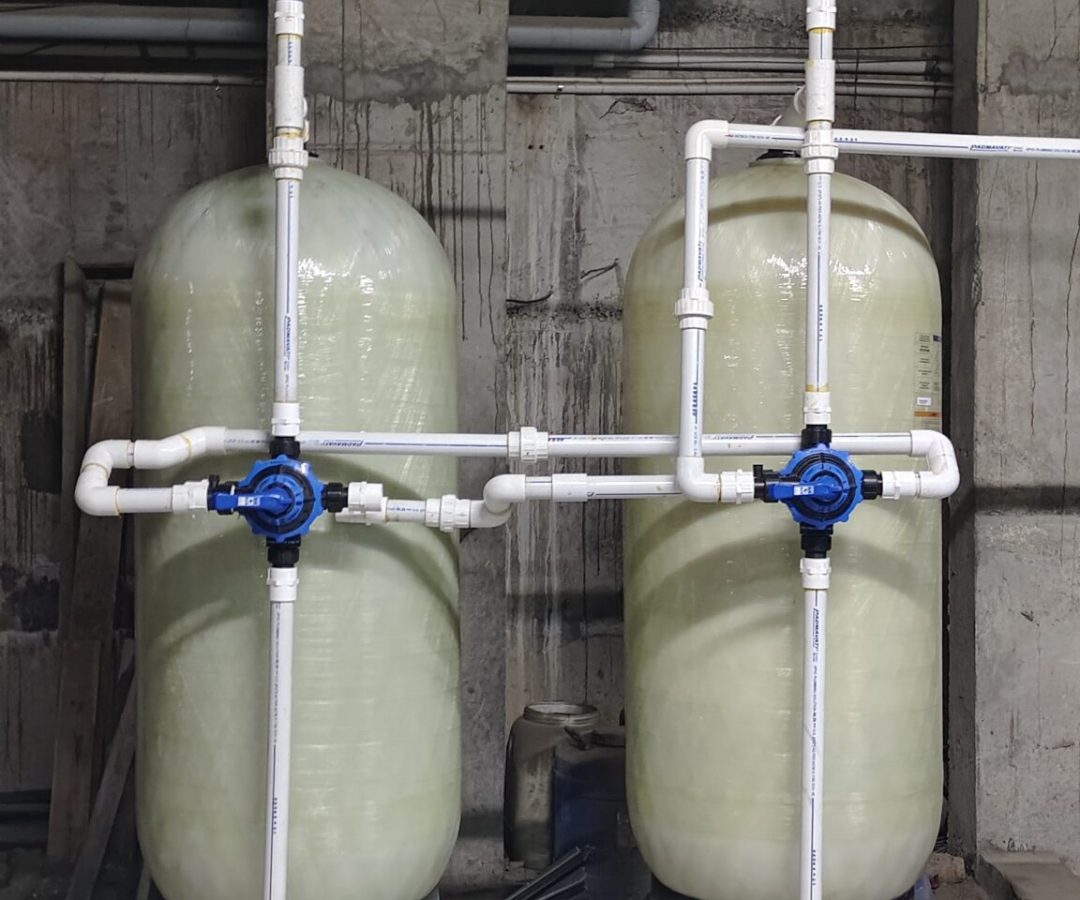
FRP Filter Vessels
3. Sludge Treatment and Byproducts
Sludge is a significant byproduct of both primary and secondary treatment and requires separate, specialized processing.
Thickening and Dewatering: Sludge is mechanically or chemically treated to reduce its volume and water content, making it easier to handle.
Digestion: Anaerobic digestion can be used to stabilize the organic matter, significantly reducing pathogens and odor, while also producing Biogas (primarily methane), which can be recovered as a source of renewable energy for the plant.
Biosolids: The final treated sludge (biosolids) can often be repurposed as a soil conditioner or fertilizer, completing the resource recovery cycle.
4. Why Choose Kriti Envitech Enterprises for Your STP Needs?
Choosing the right partner for your wastewater treatment infrastructure is essential for compliance, efficiency, and sustainability.
Tailored Solutions:Kriti Envitech Enterprises offers customized, end-to-end Sewage Treatment Plant solutions—from comprehensive design and build to reliable Operation & Maintenance (O&M) services—for any scale, including Industrial Sewage Treatment and residential colonies.
Advanced Technology: We utilize the best STP solutions in the industry, including compact, modular Packaged STPs employing advanced technologies like MBBR and SBR, ensuring a small footprint and high-quality effluent.
Regulatory Compliance: Our plants are designed to meet or exceed all mandated pollution control board norms, ensuring your facility remains compliant and environmentally responsible.
Sustainability & Water Reuse: We champion Zero Liquid Discharge (ZLD) and water recycling systems, helping businesses save water and reduce operational costs.